Drinking with water
With no milk or other ingredients to soften the flavour, balance matters. Look for a smooth texture and a balance of sweetness, umami and astringency that suits your taste.
 Make an enquiry
EVERA / WHAT IS MATCHA?
Matcha is finely powdered green tea made from shade-grown Camellia sinensis leaves. With a long tradition in Japanese tea culture, it is prepared by mixing the powder into water rather than steeping and removing the leaves.
From leaf to powder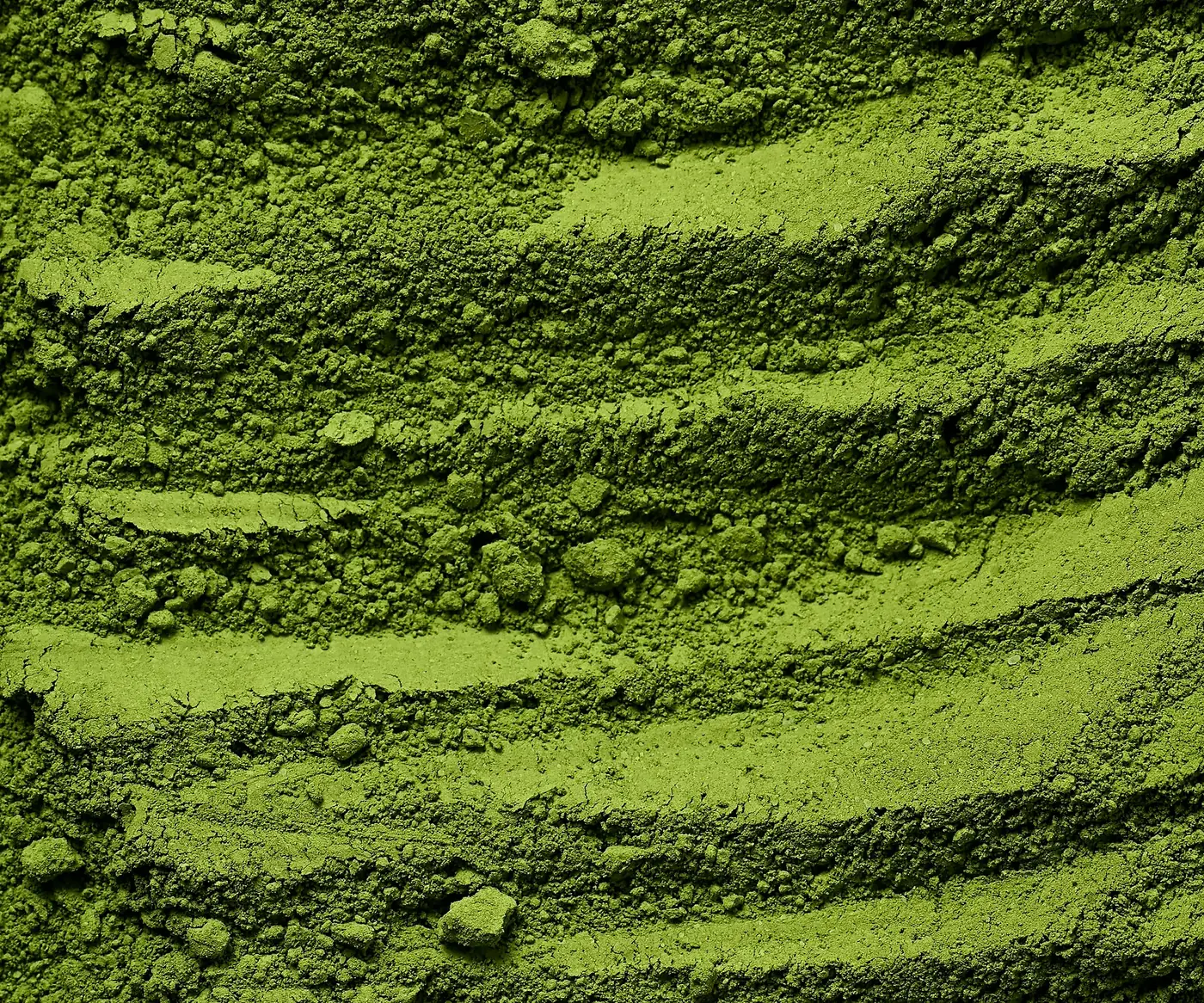
01 / THE PROCESS
Not every green tea powder is matcha. Shading, leaf preparation and fine milling shape its flavour, colour and texture. Harvesting and processing methods vary by producer.
Tea plants are shaded before harvest. This changes how the leaves develop, influencing their colour and flavour before they are picked.
The harvested leaves are processed and dried. Stems and veins are removed, leaving the leaf material that will become matcha.
The prepared leaf is ground into a fine powder. Milling helps create the texture needed to disperse matcha in drinks and recipes.
02 / CHOOSING BY APPLICATION
The right matcha depends on the finished product. A tea enjoyed with water alone may need a different flavour profile from one used in milk-based drinks or food recipes.
With no milk or other ingredients to soften the flavour, balance matters. Look for a smooth texture and a balance of sweetness, umami and astringency that suits your taste.
Matcha needs enough flavour to remain distinct when mixed with milk or plant-based alternatives. Evaluate it in the drink you plan to serve, including any sweeteners.
Other ingredients and preparation methods affect how matcha tastes and looks. Compare samples in your recipe, considering flavour, colour and texture in the finished product.
03 / ASSESSING QUALITY
Assess these qualities together, using the same preparation method for each sample. Testing matcha in your intended drink or recipe gives a more useful comparison than a grade name alone.
Consider smoothness and bitterness, then the balance you want in the finished drink or food. Compare samples under the same preparation conditions.
Consider the powder's colour and how it looks in the finished product. Colour is a sensory clue, not a substitute for product specifications or relevant test documents.
Look at the powder's fineness and how it feels when prepared. Texture matters both in a simple bowl of tea and in a finished recipe.
MATCHA FOR YOUR BUSINESS
EVERA · WHOLESALE & BULKTell us your intended use, market and volume to discuss product selection and supply.
Make an enquiry